Summer School · 2025
Oxford LLMs 2025
In late September 2025, Nuffield College hosted the third annual Oxford workshop on large language models for social science.
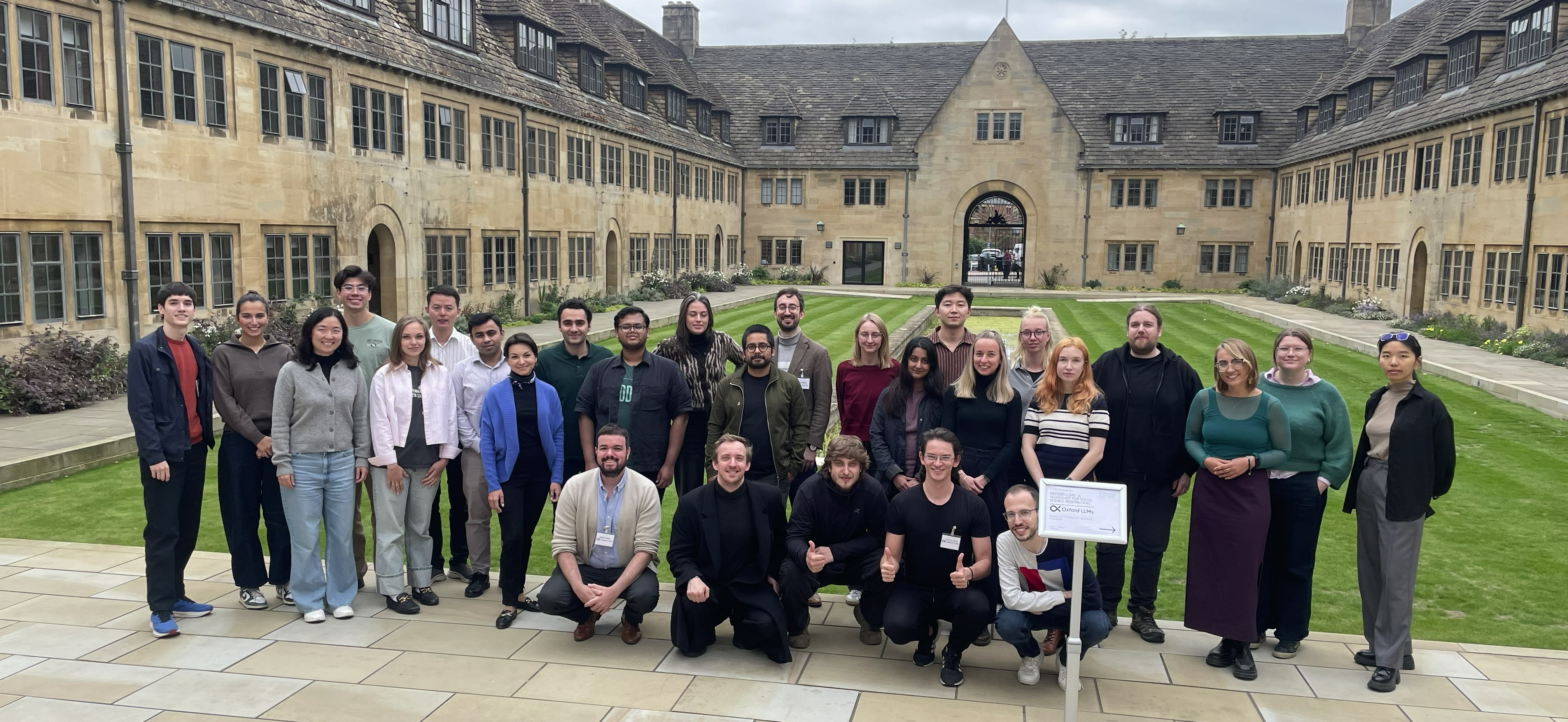
In late September 2025, Nuffield College hosted the third annual Oxford workshop on Large Language Models for Social Science, with support from the Oxford Van Houten Fund and Nuffield College. The five-day programme brought together early-career researchers for lectures on large language models, hands-on Python tutorials, and a collaborative research competition.
We received just under 150 applications and selected 30 participants. The cohort drew researchers from politics, sociology, linguistics, economics, history, and law.
Workshop Themes and Materials
The lecture series featured Mikhail Burtsev (London Institute for Mathematical Sciences), Tatiana Shavrina (Meta, Llama team), Grigory Sapunov (Intento), and Ilya Boytsov (Wayfair), with coding seminars by Emeli Dral (Evidently AI) and Sergei Skvortsov (Nebius). Topics spanned LLM fundamentals, evaluation methods, fine-tuning, AI agents, and AI safety. Raymond Duch (Oxford), Joan Timoneda (Purdue), Kosuke Imai (Harvard), and Charles Rahal (Oxford) each delivered guest talks covering applications at the intersection of NLP and the social sciences. Brandon Stewart (Princeton) joined as part of a joint session with the Metrics and Models seminar series. Several speakers presented online.
We are publishing lecture slides, notebooks, and code on the materials page and GitHub repository.
Collaborative Research Project
Participants took part in a Kaggle-style prediction competition, building systems that use LLMs to predict human survey responses across different countries and contexts. The competition gave participants direct experience with a live, open-ended research problem rather than a pre-packaged exercise.
The collaboration did not end with the workshop. A team of participants and speakers continued developing the project after September. They have now completed that work and submitted it for review at a peer-reviewed conference.
Social Programme
The workshop ran a social programme alongside the academic sessions. Participants and speakers gathered at a pub on the first evening, giving everyone a chance to meet informally before the week began. On Thursday, the full group joined a guided tour of Oxford. Speakers and participants walked side by side, and many of the most candid conversations of the week happened along the way. Both events added an important dimension to the workshop's collaborative spirit.
Looking Ahead
Feedback from previous years identified the collaborative project as the workshop's most valuable element. The 2025 edition built on that foundation. We are already planning how to develop the format further for 2026.
If you are an early-career researcher eager to master LLM methods and work on real research problems, watch this space for the 2026 application.
Organisers
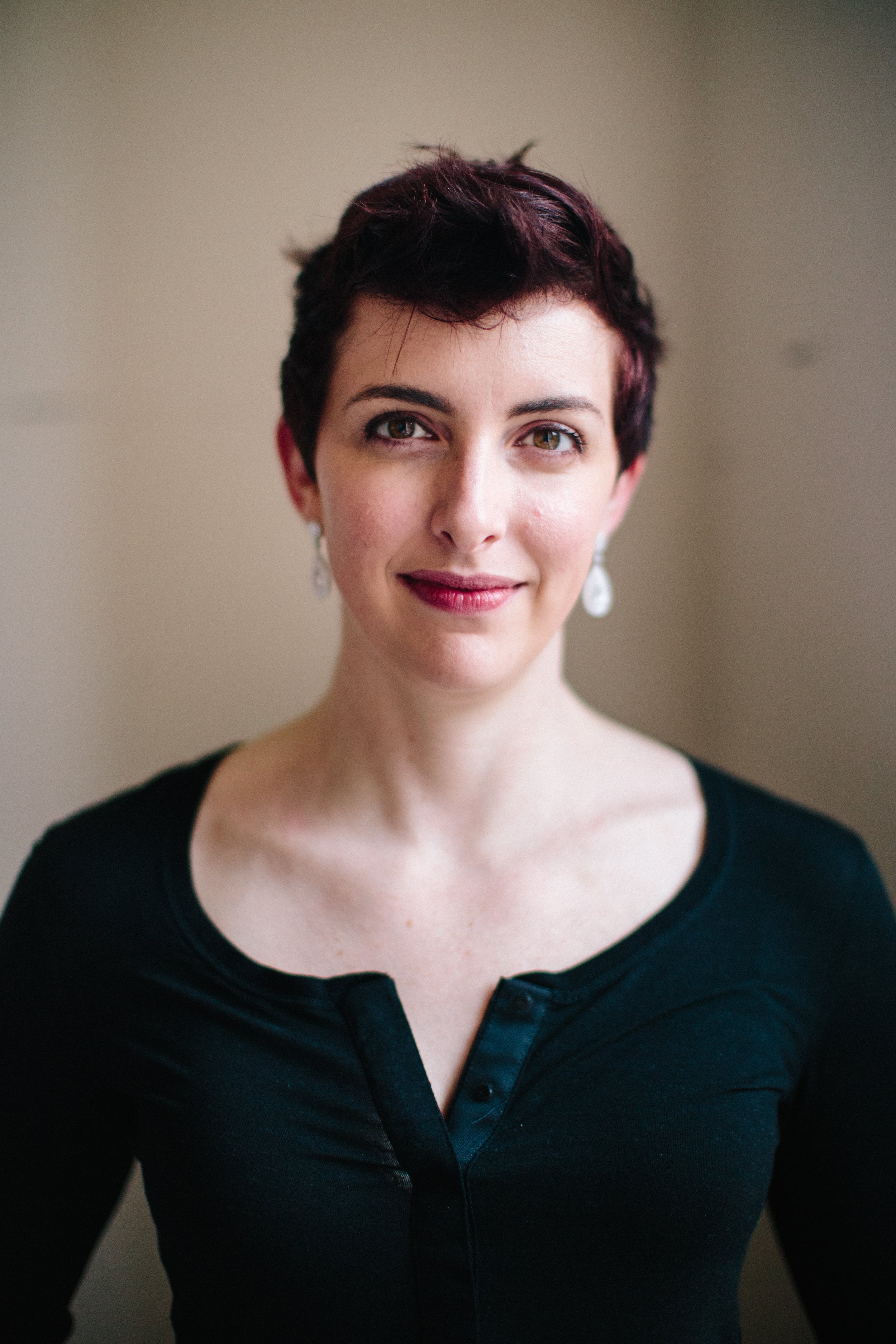
Rachel Bernhard is Associate Professor of Quantitative Political Science Research Methods at Nuffield College and the University of Oxford. Before joining Nuffield, she served as an Assistant Professor of Political Science at the University of California, Davis. She holds a Ph.D. in political science from the University of California, Berkeley, and previously was a Postdoctoral Prize Fellow in Politics at Nuffield. Her current research focuses on appearance-based discrimination in politics. To learn more about Rachel's research and teaching, visit her website.
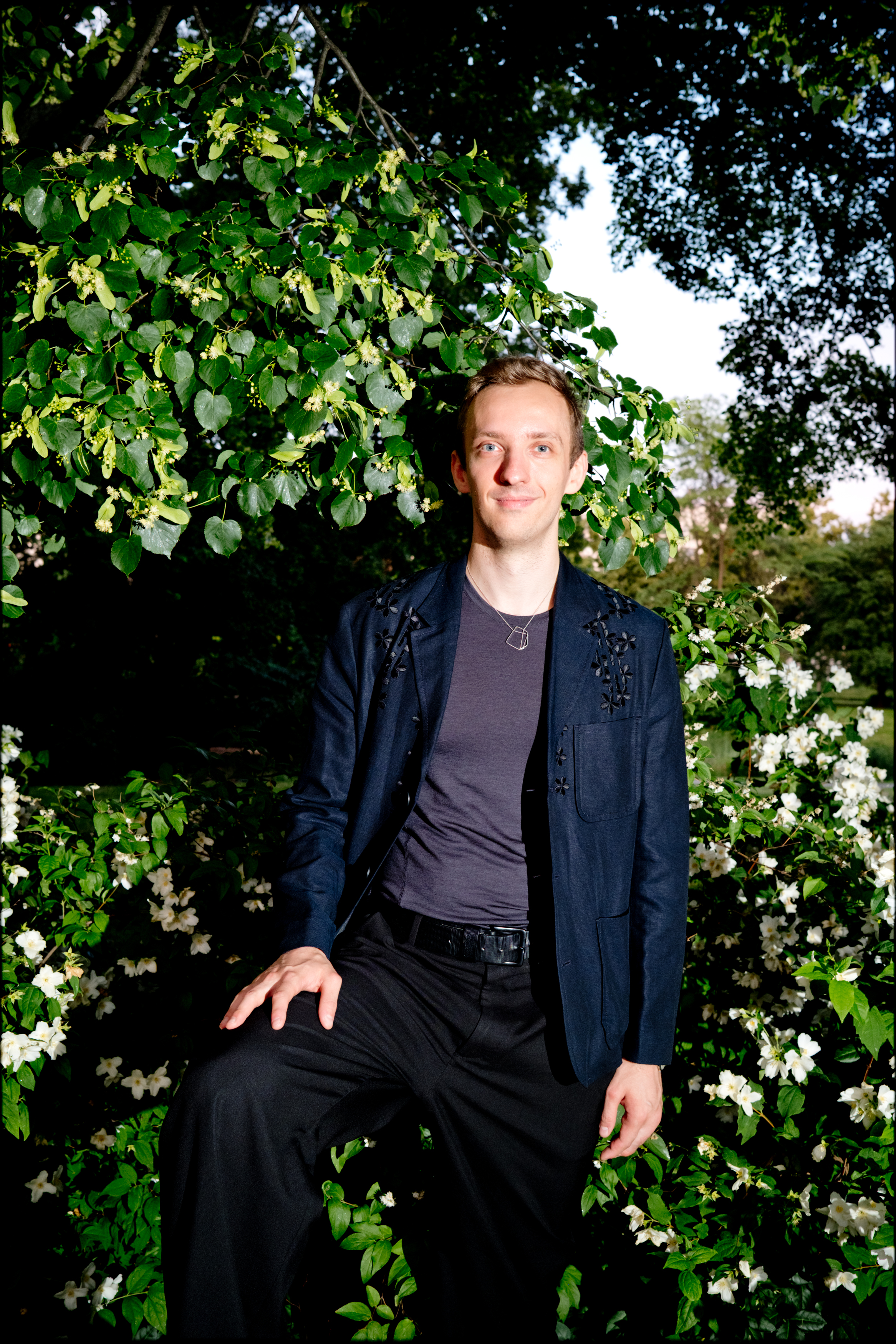
Ilya is an applied Deep Learning Scientist with a focus on Natural Language Processing (NLP). He currently works as the NLP lead at Wayfair in Berlin. His main professional interests include information retrieval, aspect-based sentiment analysis, and generative AI. In addition to his applied research work, Ilya has extensive experience in teaching and public speaking, including conference talks at the World Data Summit and DSC Europe. He is also a co-founder of the Street Smart AI community in Berlin. You can read more about his work on his personal website.
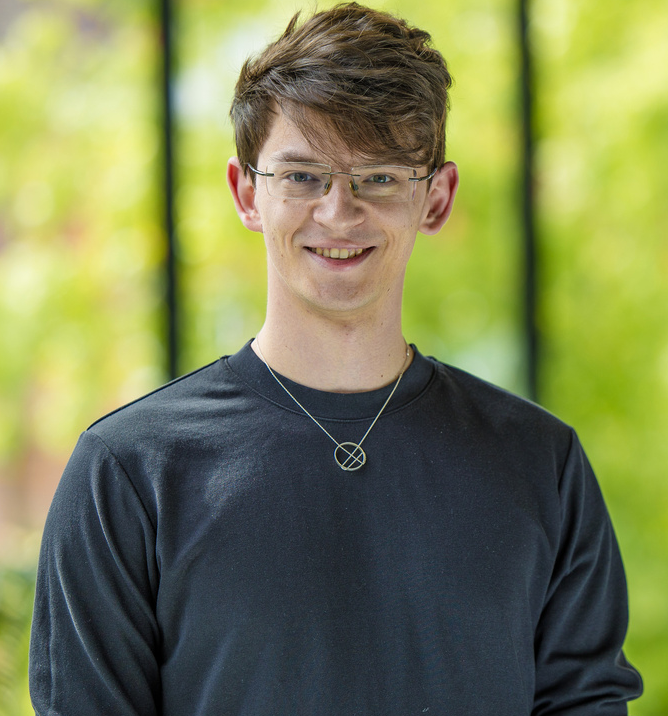
Maksim is a doctoral candidate in Politics at Oxford University, Nuffield College. His dissertation explores ways of harnessing LLMs for social science research, from classic data labelling to using models as condensed snapshots of the internet to study how people organise relationships between concepts and form beliefs about the world. He has a longstanding interest in teaching and facilitating intellectual exchange and has helped organise several academic events, including previous sessions of the Oxford LLM workshop and the Oxford Summer Institute for Computational Social Science.
Lecturers
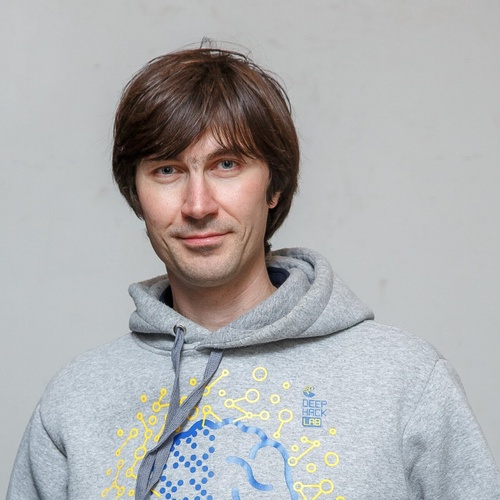
Dr Mikhail Burtsev is a Landau AI Fellow at the London Institute. He studied microelectronics at the Moscow Power Engineering Institute before completing his PhD in computer science at the Keldysh Institute of Applied Mathematics. He has held senior research positions at the Anokhin Institute of Normal Physiology and the Kurchatov Institute, and visiting positions at Cambridge. As Scientific Director of the Artificial Intelligence Research Institute in Moscow, he led development of the DeepPavlov conversational AI framework. His research focuses on continual learning, memory-augmented neural networks, and AI-assisted mathematics. More information is available on his website.
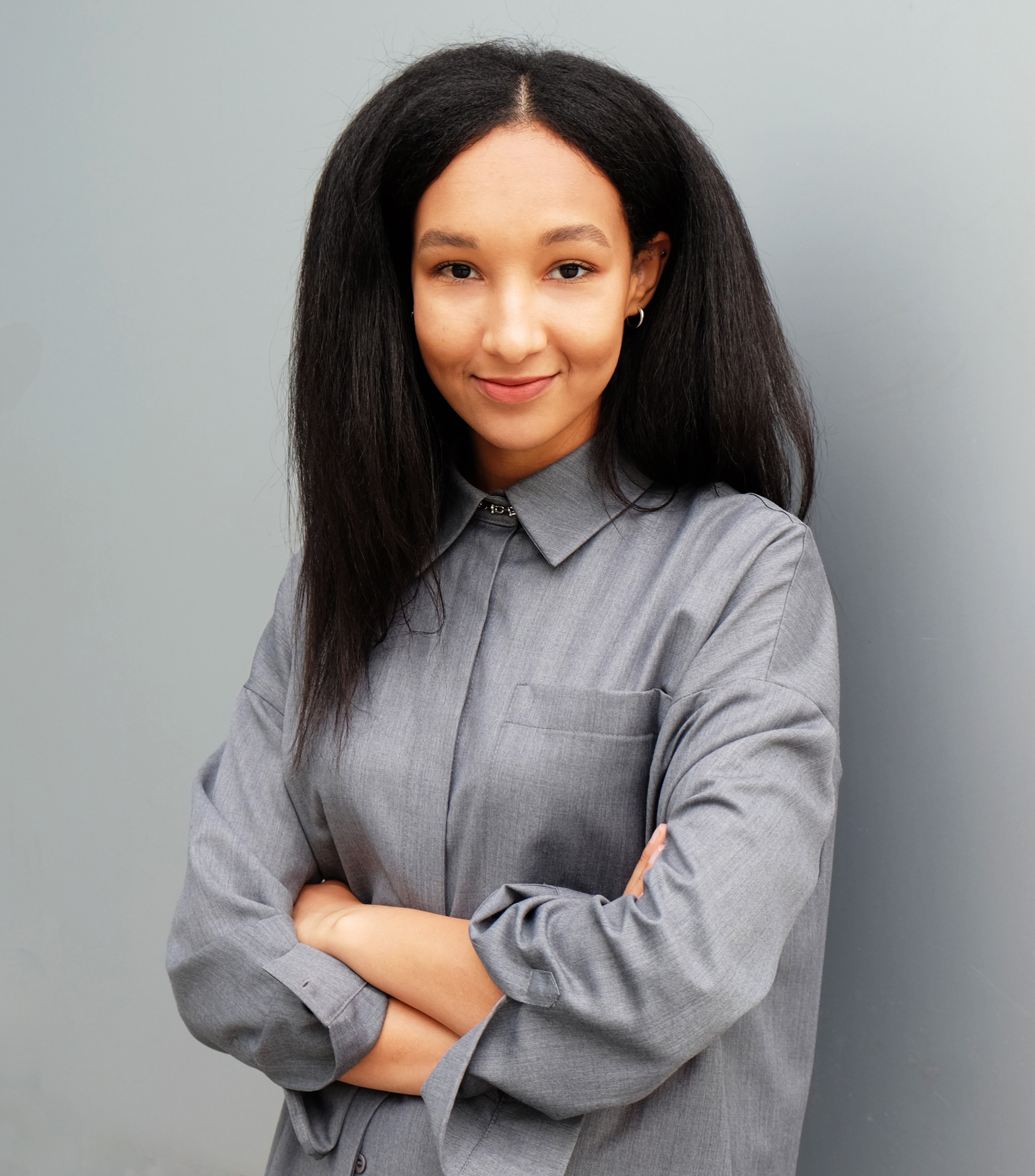
Emeli Dral is Co-founder and CTO at Evidently AI, a startup developing open-source tools to evaluate, test, and monitor machine learning models. She previously co-founded an industrial AI startup and served as Chief Data Scientist at Yandex Data Factory, leading over 50 applied ML projects across industries. Emeli lectures on data science at Harbour.Space University and co-authored a Coursera machine learning and data analysis curriculum with over 100,000 students.
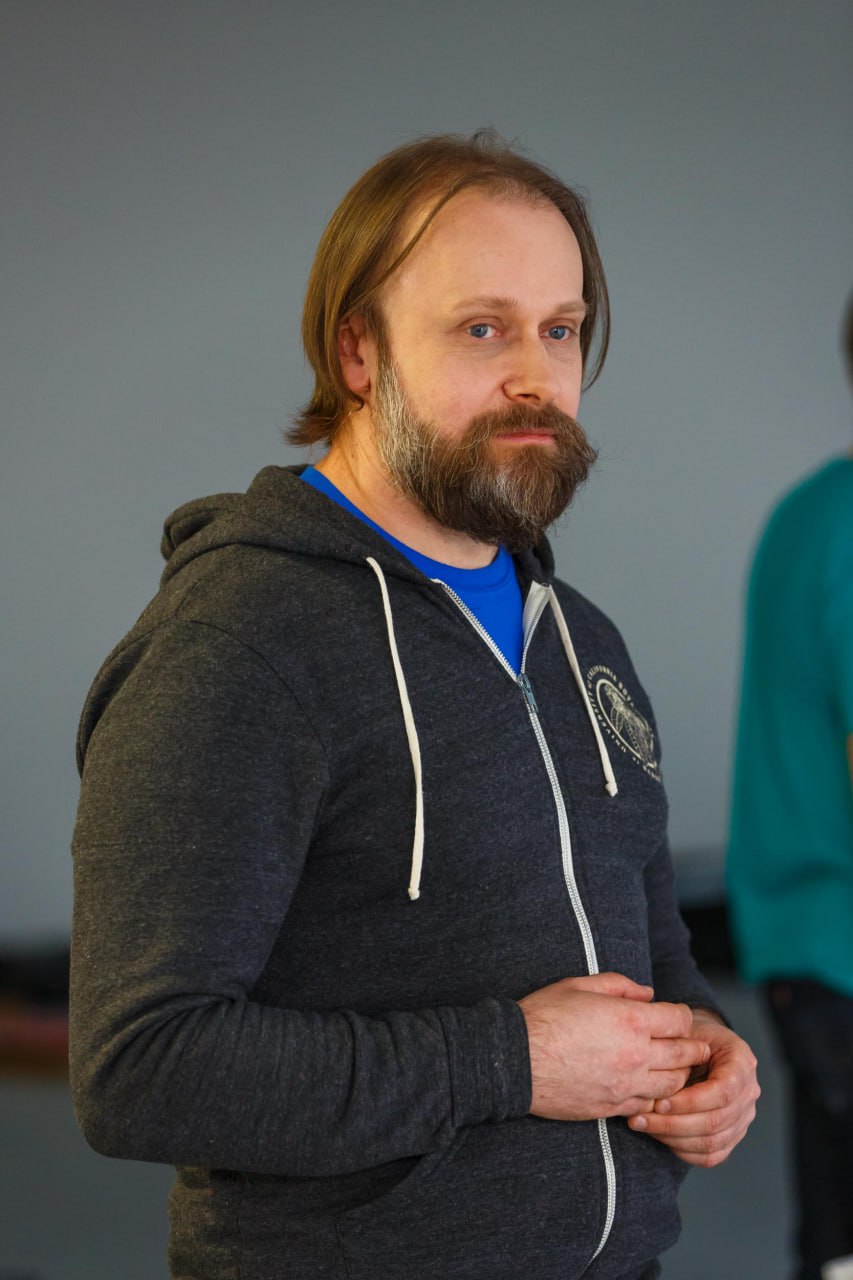
Grigory Sapunov is CTO and co-founder of Intento. He has over 20 years of software engineering experience, including around 15 years in data analysis, AI, and machine learning. Since 2011, he has focused on deep learning. Grigory is a Google Developer Expert in Machine Learning and holds a Ph.D. in Artificial Intelligence. You can connect with him on LinkedIn.
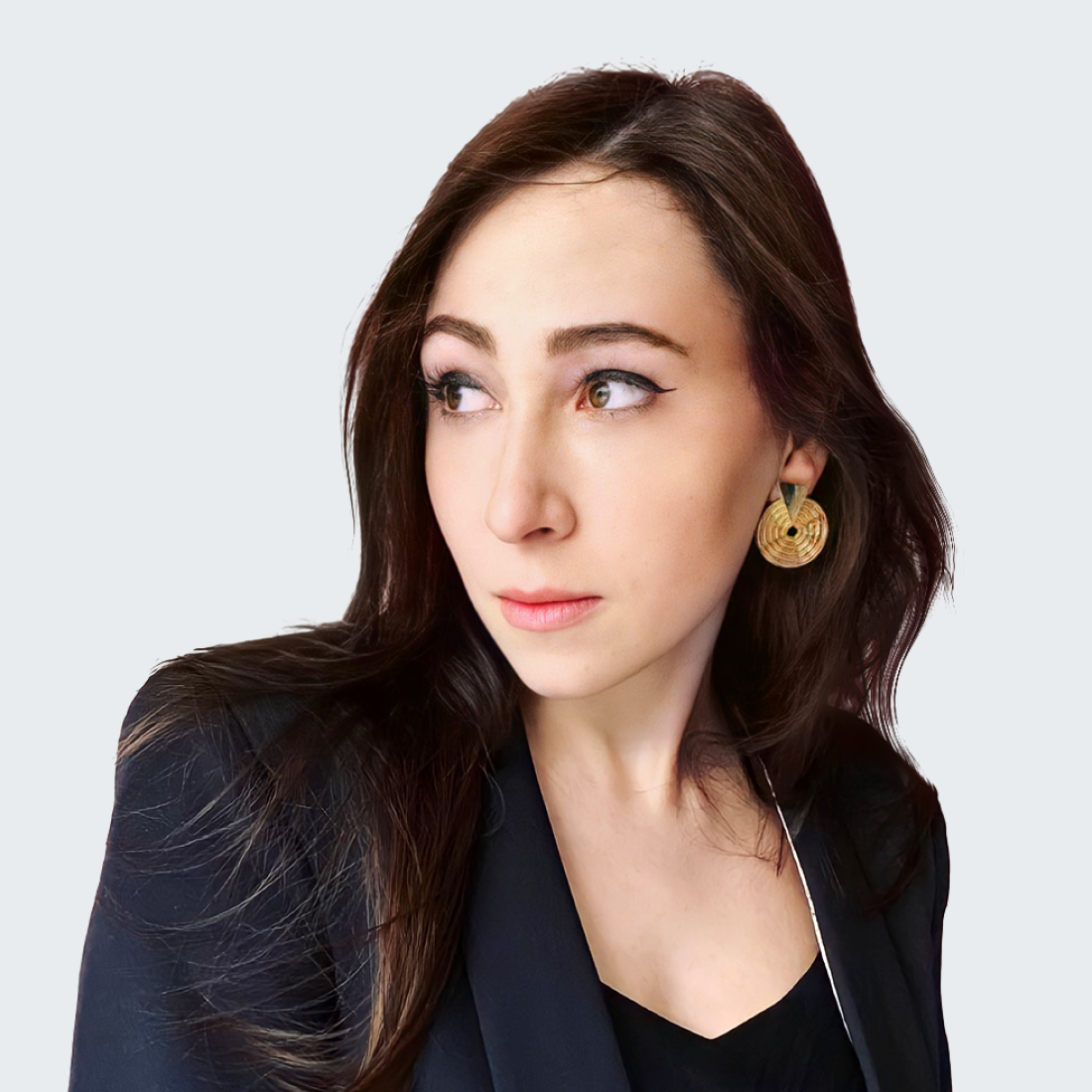
Tatiana Shavrina works on the Llama team at Meta and has previously worked at Snap and AIRI. She is passionate about open source and multilingualism in LLMs, especially for under-resourced languages. She has contributed to BLOOM as the lead for interpretability, led development of the mGPT model, and worked on low-resource NLP methods. Her main projects include mGPT, Russian SuperGLUE, and BLOOM. See her Google Scholar profile for more details.
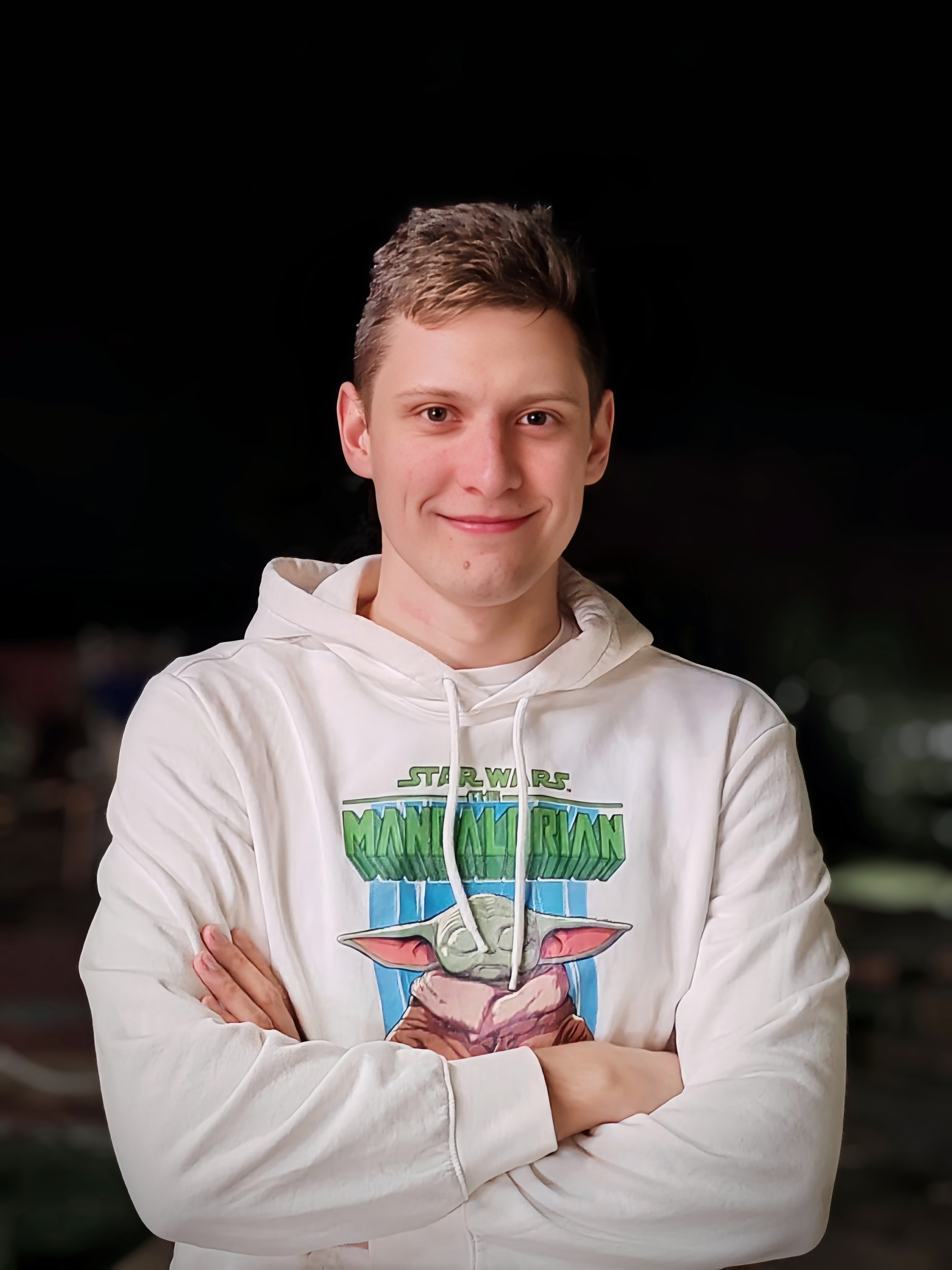
Sergei Skvortsov is a Lead Machine Learning Engineer at Nebius with a focus on efficient training and inference for large language models. Previously, he led the inference team at Yandex Self Driving Group, where his team built the main inference engine powering neural models for autonomous cars and robots. He regularly lectures on efficient inference, for example at the Nebius Academy.
Social Science Researchers
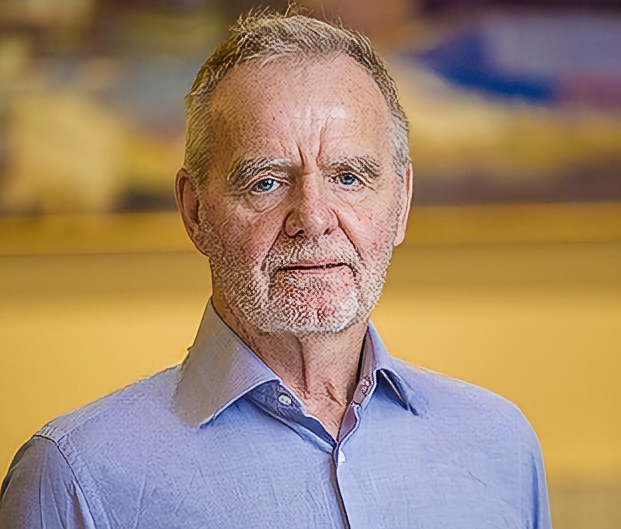
Ray Duch is the co-founder and Director of the Centre for Experimental Social Sciences (CESS) at Nuffield College. He has established CESS centres in Chile, China, and India and serves as co-Director of the Candour Project and co-PI for the REAL Demand Centre. His work uses experimental methods to study decision making in politics, finance, health, and economics, and has appeared in leading journals including the American Political Science Review and Proceedings of the National Academy of Sciences. More information is available on his website.
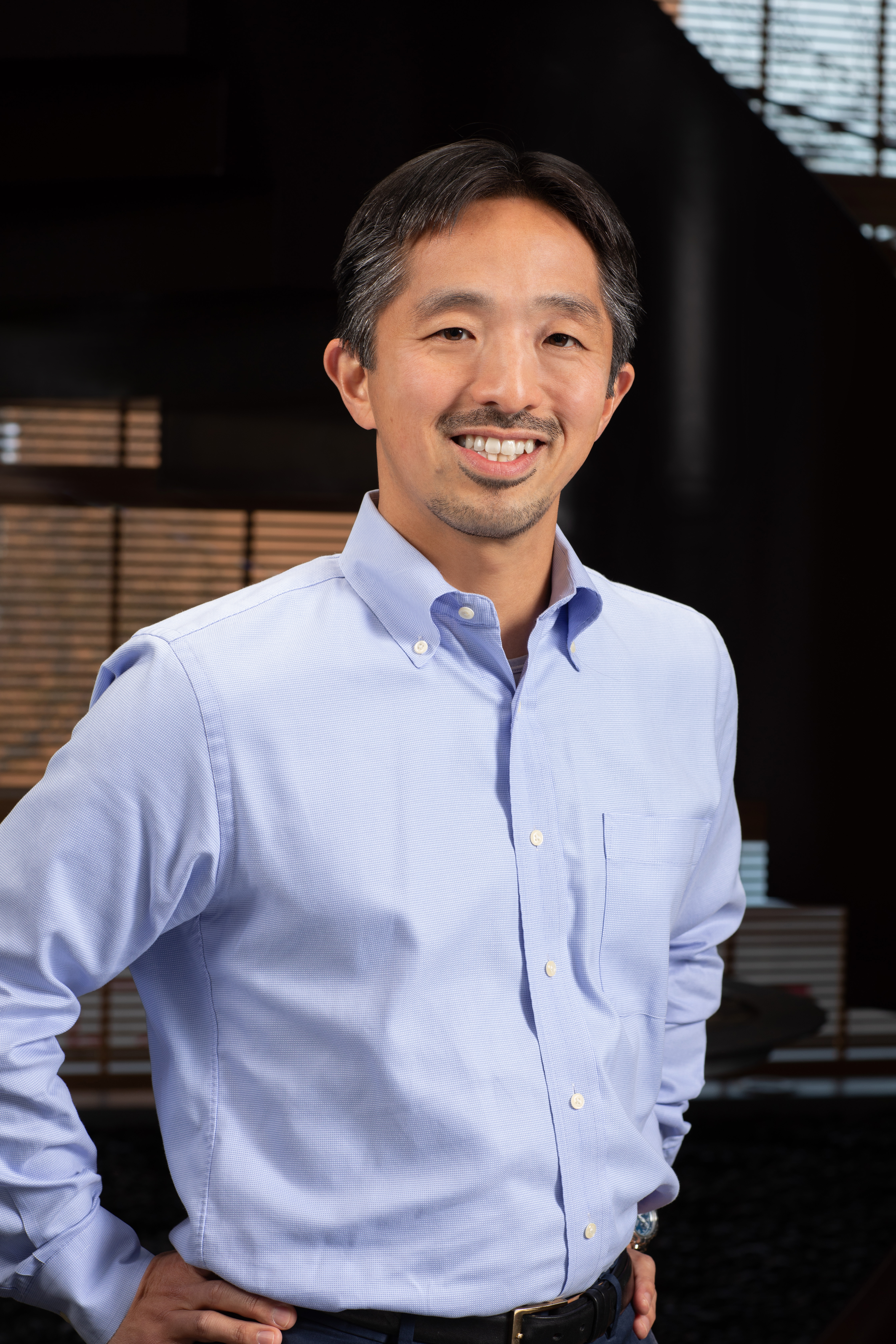
Kosuke Imai is Professor of Government and Statistics at Harvard University and an affiliate of the Institute for Quantitative Social Science. He specializes in statistical methods and machine learning for social science, including causal inference, computational social science, and survey methodology. He leads the Algorithm-Assisted Redistricting Methodology Project (ALARM) and is the author of Quantitative Social Science: An Introduction.
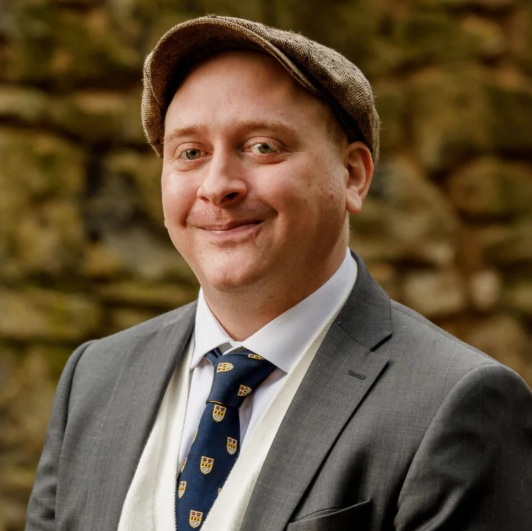
Charles Rahal is an associate professor in computational social science at the University of Oxford and is affiliated with the Demographic Science Unit and the Leverhulme Centre for Demographic Science. His research develops methods to uncover patterns in large-scale observational data, with a focus on equality and equity. He has contributed to the UK government's Covid-19 policy response and leads the Metrics and Models lab.
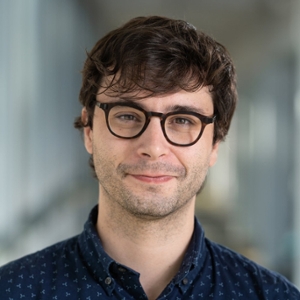
Joan Timoneda is an Assistant Professor of Political Science at Purdue University. He received his Ph.D. from the University of Maryland and previously held a postdoctoral position at Duke University. His research focuses on authoritarian regimes, democratic backsliding, and how leaders use digital tools and social media. His methods work applies large language models to core questions in comparative politics. More details are available on his personal website.